Deutsch
 English
 Französisch
 Polnisch
WHY THE MATERIAL OF PROTECTIVE GLOVES IS SO IMPORTANT
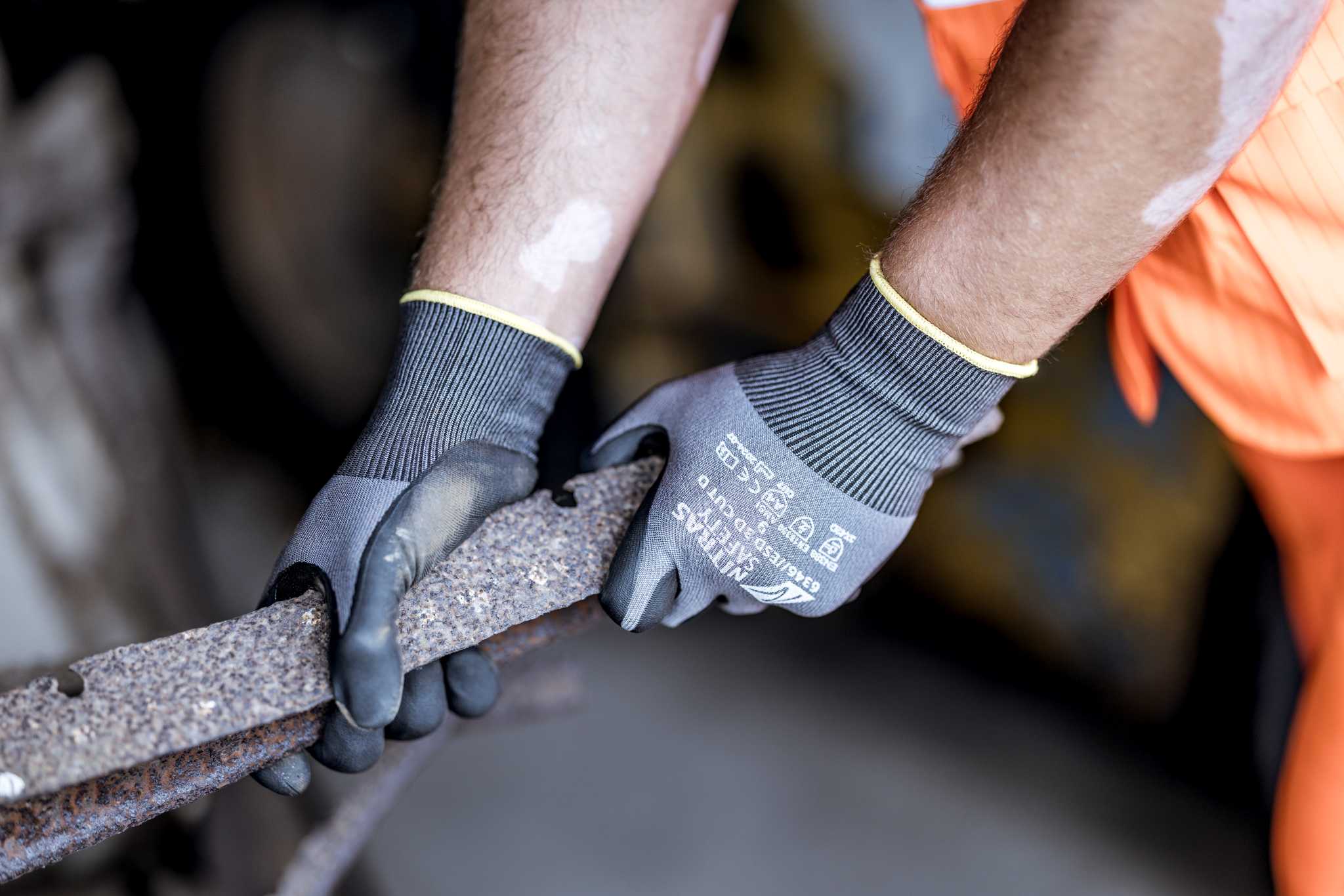
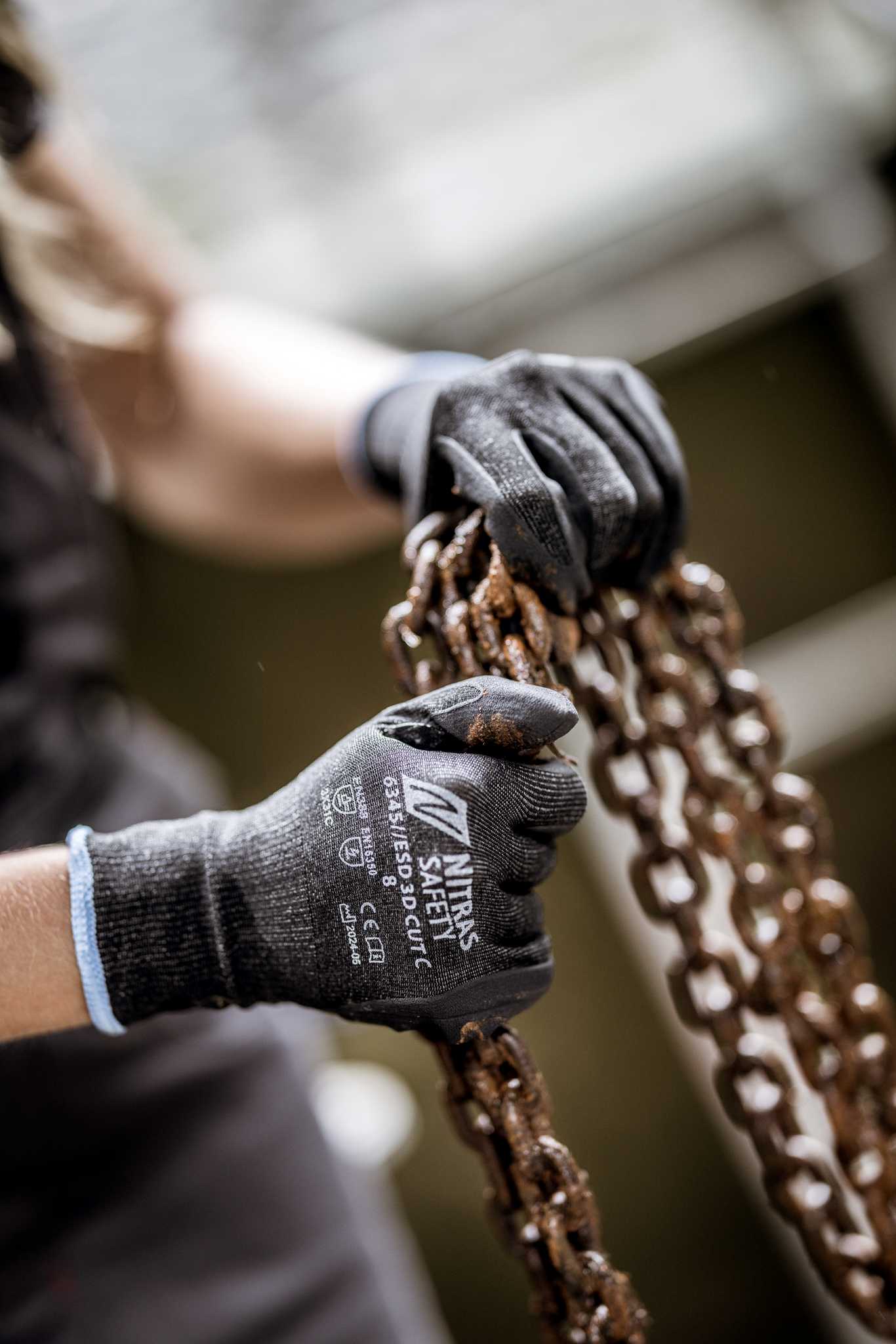
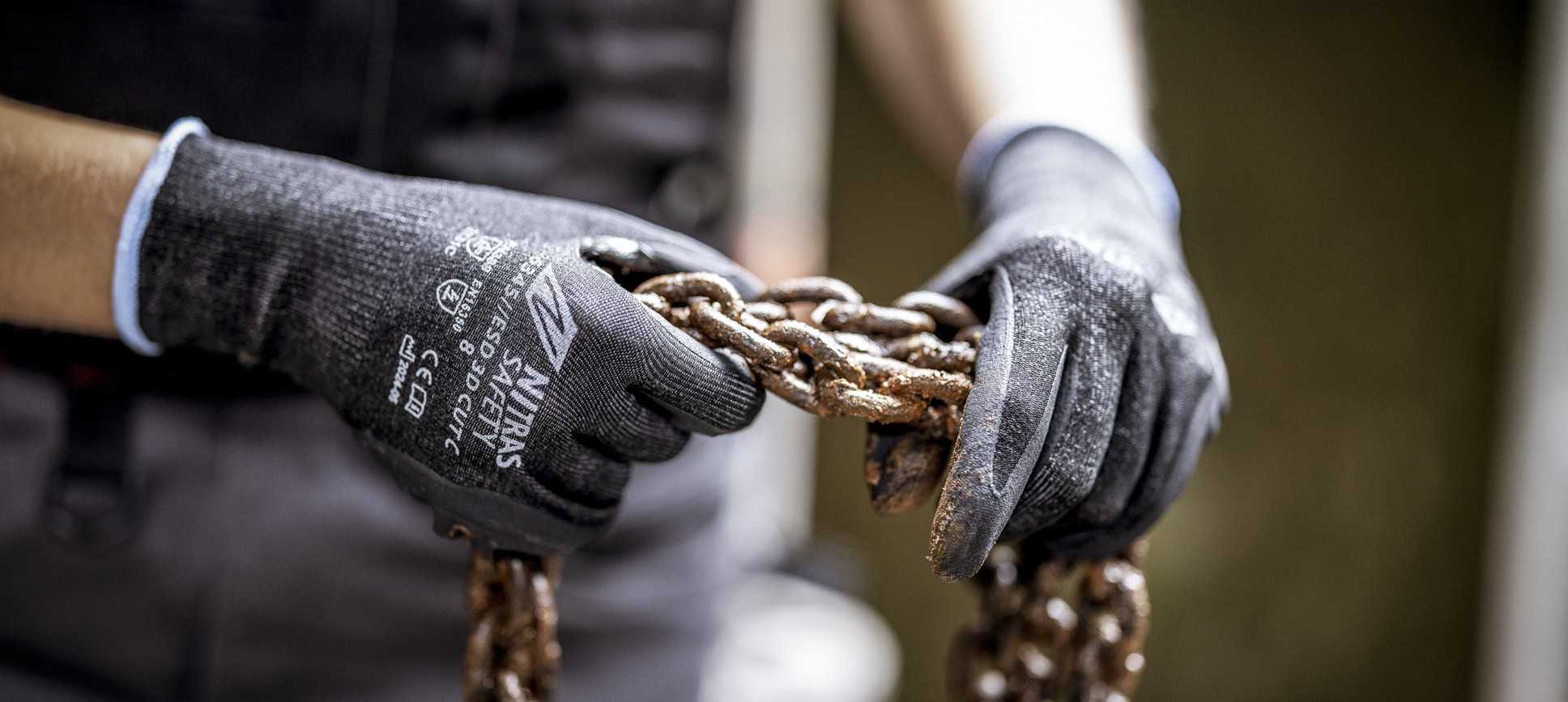
Protective gloves are part of the daily basic equipment in many industries – especially where cut protection, safety, and precision are required. However, not all protective gloves offer the same level of protection or comfort. A key difference lies in the material of protective gloves – more specifically, the yarn used in the carrier fabric. Depending on its composition, this material can make protective gloves lighter, more robust, or especially resistant to cuts.Especially for activities with sharp edges, tools, or metal parts, cut-resistant gloves must meet several requirements at the same time: they should provide reliable protection while remaining flexible and allowing for precise work. This is where modern specialty yarns come into play. They combine different fibers in a targeted manner to optimally balance protection, mobility, and wearing comfort.
For users, this means one thing above all: cut protection, comfort, and better agility in everyday work. But what advantages do special yarns offer in modern protective gloves – and what yarn combination has what benefits?
WHAT ARE SPECIALTY YARNS IN PROTECTIVE GLOVES?
Special yarns are targeted material combinations of multiple fibers that are processed into a high-performance yarn. This yarn then forms the basis for the knitted glove fabric. The advantage: Each fiber brings certain properties that complement each other in the yarn.HPPE (High Performance Polyethylene) is particularly often the basis of modern special yarns. The reason for this is simple: HPPE protective gloves are particularly cut-resistant, yet very light and flexible. It makes it ideal as a base material for protective gloves, while additional fibers can be added to achieve additional properties such as stability, reinforcement, or higher cut resistance.
Typical special yarn combinations are, for example:
+ HPPE / Polyamide / Elastane – lightweight and flexible yarns with good cut resistance
+ HPPE / Polyester / Glass Fiber / Elastane – increased durability with good flexibility
+ HPPE / Polyester / Polyamide / Glass Fiber / Elastane – balanced material mix for robust gloves in daily use
+ HPPE / Polyester / Tungsten / Elastane – reinforced yarns for increased cut resistance
+ HPPE / Steel / Basalt / Polyester / Elastane / Carbon – High-performance yarns for particularly demanding applications
These combinations result in gloves that are both durable and comfortable to wear.
The advantage of modern special yarns in protective gloves
The major advantage of modern specialty yarns is especially evident in everyday work: they enable protective gloves that meet several requirements at the same time. While individual fibers often have only a certain strength, the targeted material mix ensures that protection, comfort, and agility work together optimally.For users, this means:
+ More cut protection without cut-resistant gloves becoming heavy or stiff
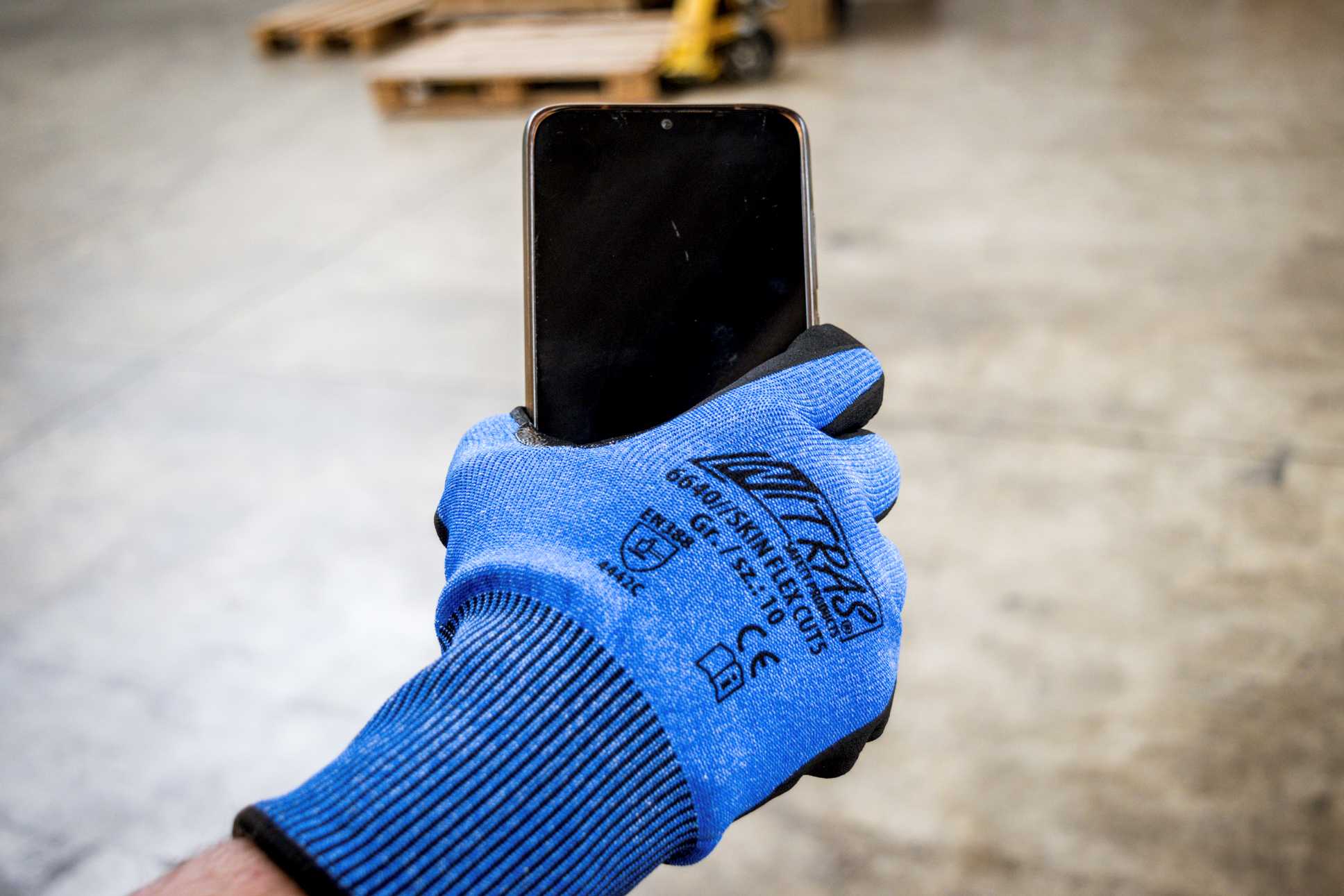
+ Improved dexterity and a precise finger feel, important for fine work
+ High wearing comfort even during long work shifts
+ Durability in daily use, even with high mechanical stress
+ Appropriate properties for various activities, from handling to assembly
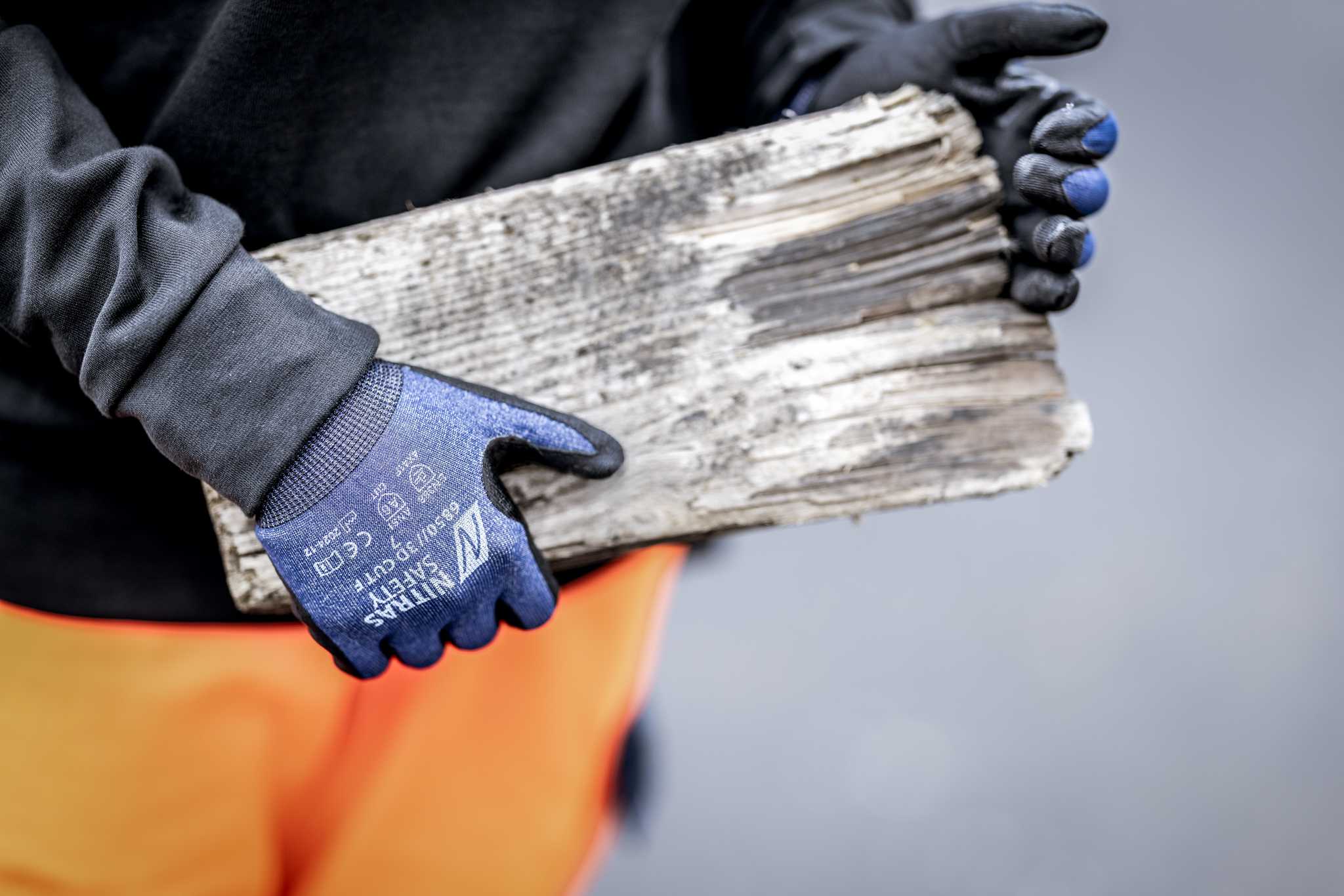
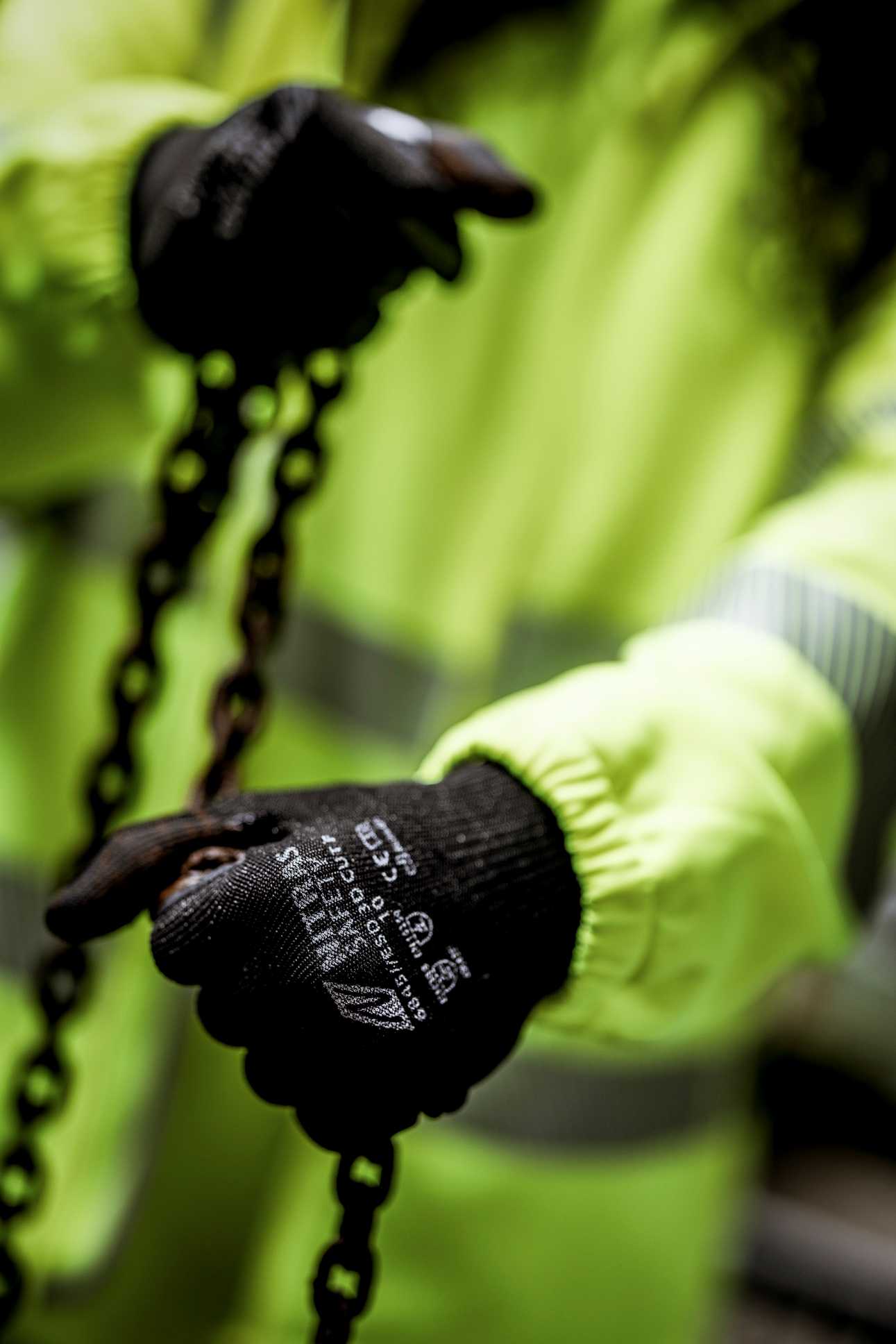
This combination makes the difference, especially in work where both safety and precision are required. Particularly in industries such as industry, metal processing, logistics, craftsmanship, or assembly, where work is often done with sharp-edged materials, tools, or components, protective gloves with special yarn offer a noticeable added value.
MODERN MATERIAL TECHNOLOGY FOR PROTECTION AND COMFORT
Modern special yarns clearly show how cut-resistant gloves work: Through targeted material combinations, properties that often contradicted each other in the past can be combined today: high protection, low weight, and good mobility.For users, this means a clear advantage in everyday work. Modern protective gloves provide reliable cut protection while remaining flexible and comfortable to wear. Tools can be grasped safely, components handled precisely, and tasks performed with focus – even over longer periods of time.
Because, ultimately, the best protection is the one that works in everyday life and is consistently worn, even with protective gloves.