Deutsch
 English
 Französisch
 Polnisch
WHEN THE SIZE IS RIGHT, BUT THE FIT ISN’T
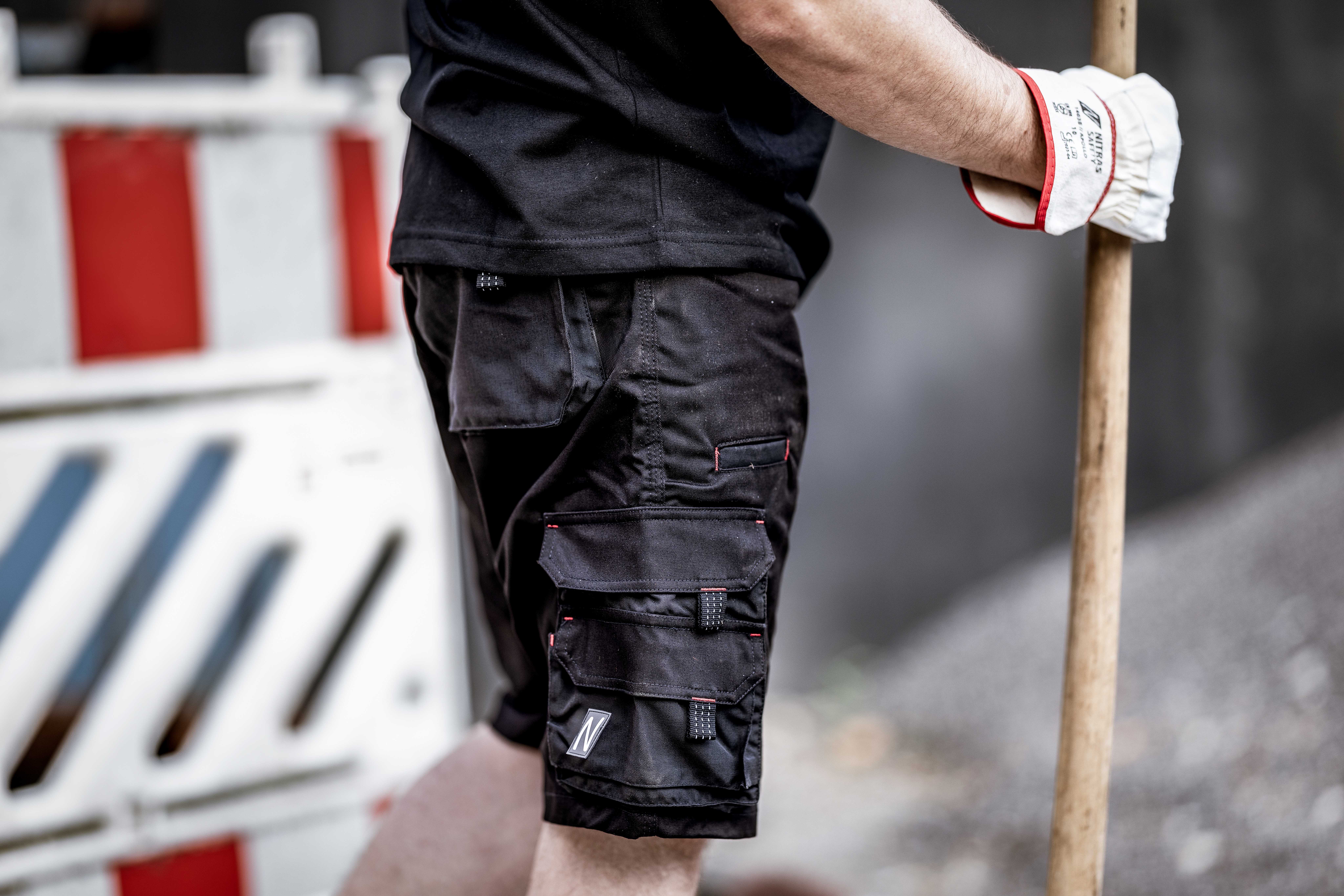
Choosing the right size is only one part of finding the right workwear. Two garments in the same size can still fit differently. Body shape, proportions and personal preferences all play a role in determining which workwear fit feels comfortable and provides sufficient freedom of movement.This is where different fits come into play. Regular Fit, Comfort Fit and Long Fit are designed to meet different requirements in terms of cut, width and length. This means workwear can be selected not only according to the right size, but also according to the preferred fit.
But what is the difference between Regular Fit, Comfort Fit and Long Fit – and how do you find the right fit for your working day?
REGULAR, COMFORT OR LONG – WHAT IS THE DIFFERENCE?
Everyone has different body proportions and not everyone prefers the same fit. Different fits therefore make it possible to choose workwear that is better suited to individual requirements.
+ Regular Fit: The classic cut offers a balanced fit and is designed for regular body proportions. It combines a comfortable fit with the freedom of movement needed for everyday work.
+ Comfort Fit: This fit features a more generous cut. The additional width provides more room and is suitable for anyone who prefers to wear their workwear a little looser or wants greater freedom of movement.
+ Long Fit: This fit is designed for longer body proportions. Depending on the garment, extended measurements help ensure that the workwear fits properly for taller body proportions.
The fits at a glance:
| Regular Fit | Comfort Fit | Long Fit | |
| Cut | Balanced and closer-fitting | More generously cut | Designed for longer proportions |
| Feel | Classic fit | More room and freedom of movement | Better fit with additional length |
| Ideal, if... | a regular cut fits well | more room is preferred | regular sizes are too short |
HOW DO YOU FIND THE RIGHT FIT?
The right fit does not depend on height alone. Individual body proportions and the preferred fit are key factors. It is therefore worth considering the information provided for each fit as well as the size itself.If your regular size generally fits well, Regular Fit is often the natural choice. If you prefer more room, Comfort Fit may be more suitable. For longer body proportions, Long Fit provides additional length.
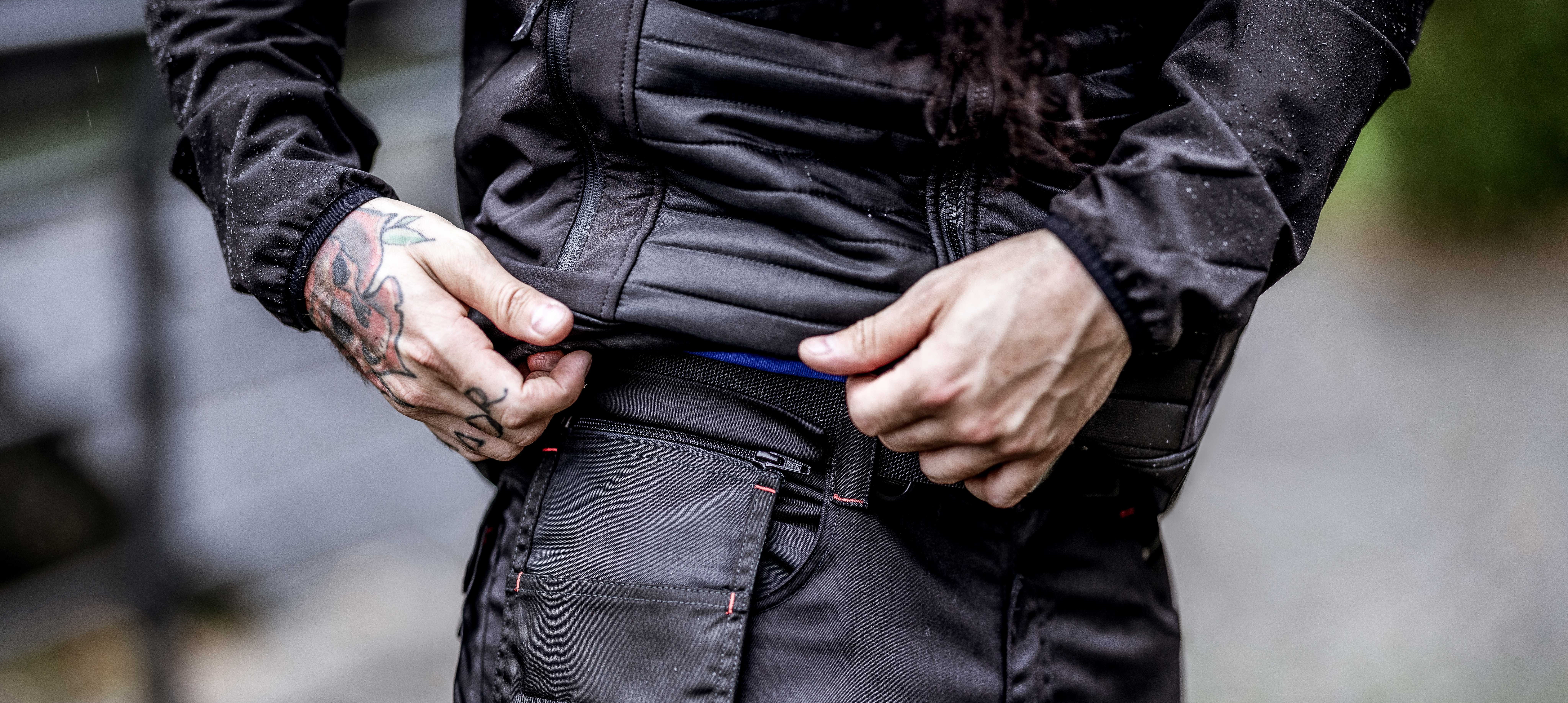
Your everyday work should also be taken into account. If you frequently bend, kneel, stretch or make other large movements, make sure your clothing provides sufficient freedom of movement and continues to fit properly while you move.
Tip: Don't just look at the number on the size label. Size charts, measurements and information about the respective fit can help you select the right combination of size and fit.
Still unsure which size is right for you? Our fit guide explains how to take your measurements correctly and determine your right size.
THE RIGHT FIT MAKES ALL THE DIFFERENCE
Regular Fit, Comfort Fit or Long Fit? The answer depends on your individual proportions and how you prefer your workwear to fit. Regular Fit offers a classic cut, Comfort Fit provides more room, while Long Fit is designed for longer proportions.The right combination of size and fit can help ensure that workwear feels comfortable while maintaining the freedom of movement required throughout the working day. When choosing workwear, it is therefore worth looking beyond the right size and taking a closer look at the fit as well.