Deutsch
 English
 Französisch
 Polnisch
SAFE WORKFLOWS START WITH THE RIGHT PPE
Industrial workplaces cover a wide range of applications – from metalworking and machine operation to assembly and maintenance. Employees face a variety of hazards every day, including sharp edges, heavy components, moving machinery, high noise levels and slippery floors.The right personal protective equipment (PPE) helps minimise these risks and provides reliable protection for employees. At the same time, it supports safer and more efficient working practices.
In this article, you'll learn about the most common hazards in industrial environments and the PPE recommended for different tasks.
COMMON HAZARDS IN INDUSTRIAL ENVIRONMENTS
PPE requirements vary depending on the industry and the specific task. However, many hazards are common across manufacturing and production environments.Some of the most frequent risks include:
+ Cuts and puncture injuries caused by sharp-edged components or tools
+ Impact and crushing hazards when working with machinery or heavy parts
+ Slips, trips and falls on smooth or contaminated floors
+ High noise levels in manufacturing and production facilities
+ Contact with oils, lubricants or chemicals
+ Physical strain caused by heavy lifting or repetitive tasks
A thorough risk assessment is the foundation for selecting the appropriate PPE for each working environment.
WHAT PPE IS USED IN INDUSTRIAL ENVIRONMENTS?
The type of PPE required depends on the task being carried out and the hazards involved. The aim is to provide employees with the highest possible level of protection without compromising comfort or freedom of movement.Typical PPE for industrial workplaces includes:
+ Protective gloves to guard against mechanical hazards, cuts and chemicals
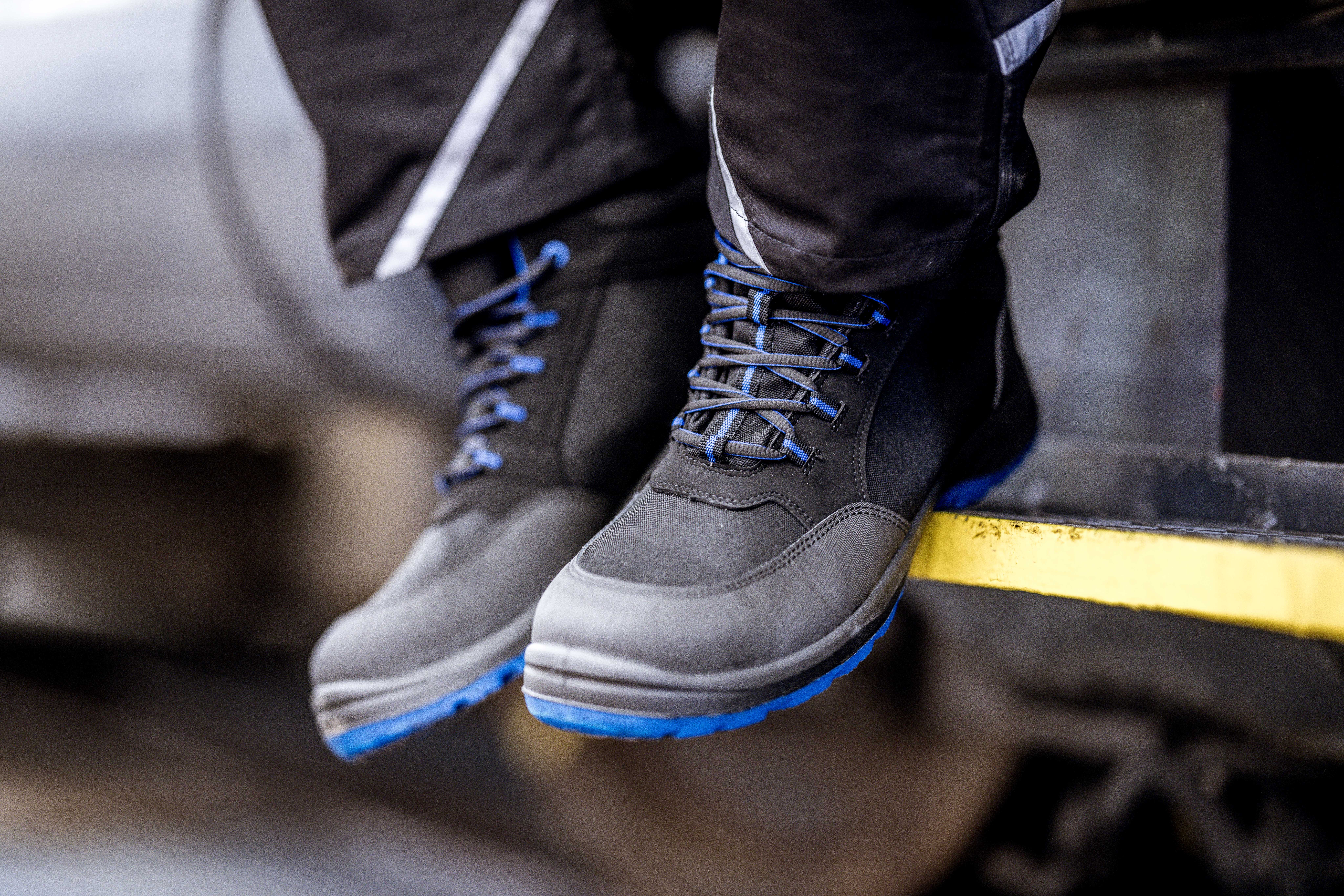
+ Safety footwear with slip-resistant outsoles, toe protection and, where required, penetration-resistant midsoles
+ Safety eyewear to protect against flying particles, dust and liquid splashes
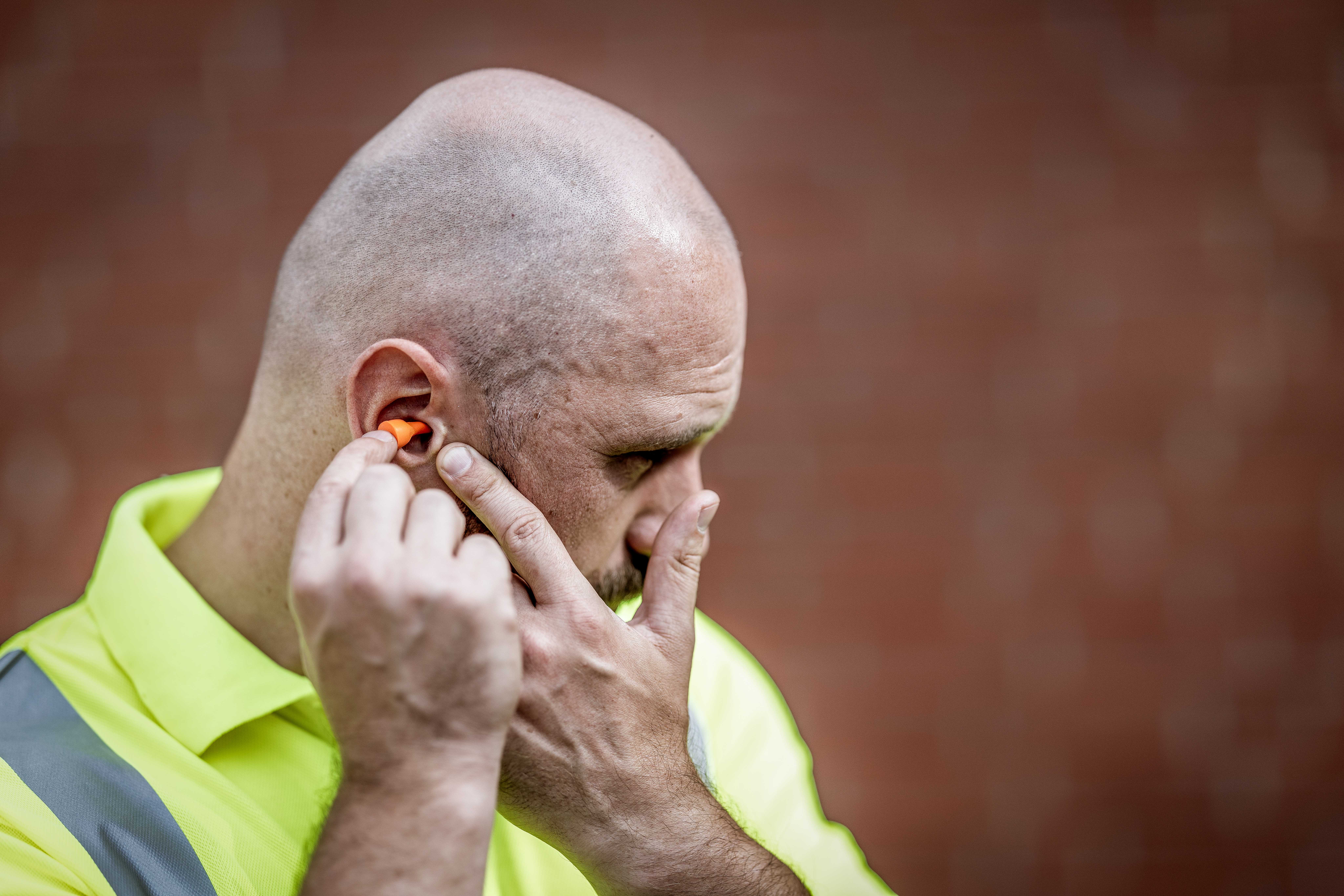
+ Hearing protection for environments with prolonged exposure to high noise levels
+ Workwear that combines durability, comfort and freedom of movement
+ Head protection where there is a risk of falling or swinging objects
Choosing the right combination of PPE helps prevent workplace accidents and enables employees to carry out their daily tasks safely and efficiently.
PPE AS THE FOUNDATION OF SAFE PRODUCTION PROCESSES
Industrial environments place high demands on both people and equipment. Different tasks present different risks, ranging from mechanical hazards to noise exposure and contact with chemicals. That is why personal protective equipment should always be selected to match the specific working environment.By identifying hazards at an early stage and choosing the right PPE, businesses can create safer working practices, improve comfort and provide long-term protection for their employees.