Deutsch
 English
 Französisch
 Polnisch
WHEN EVERY STEP COUNTS
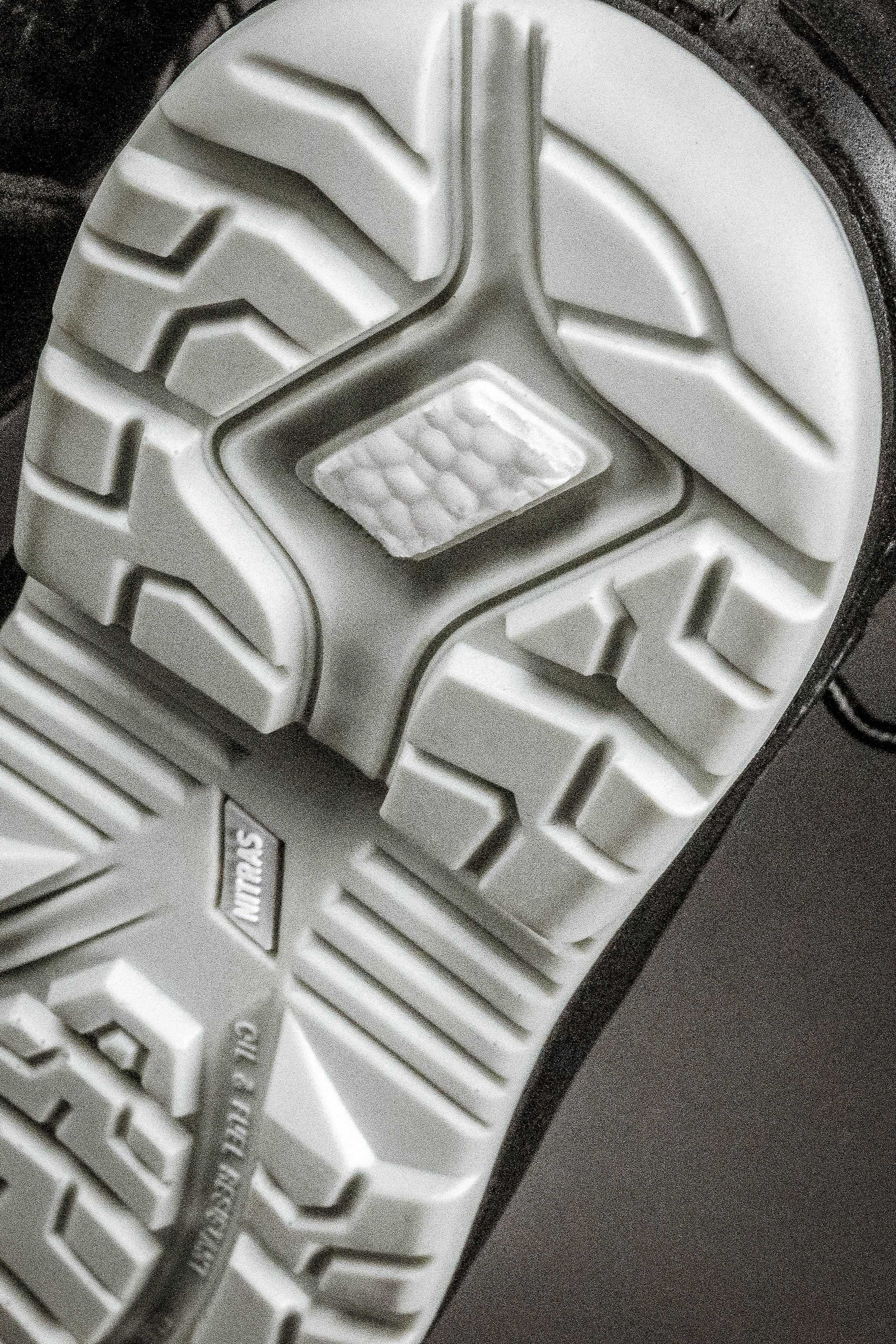
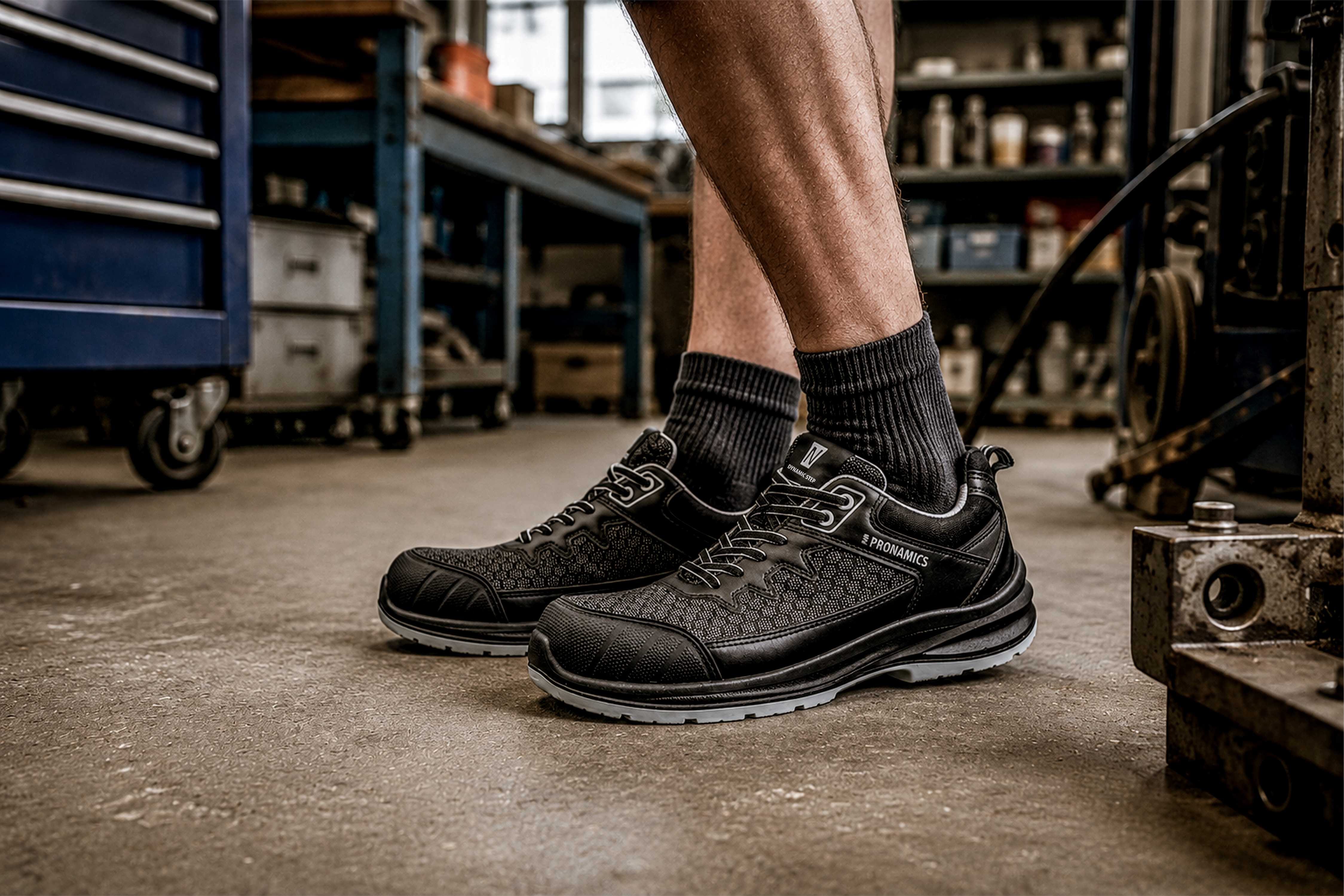
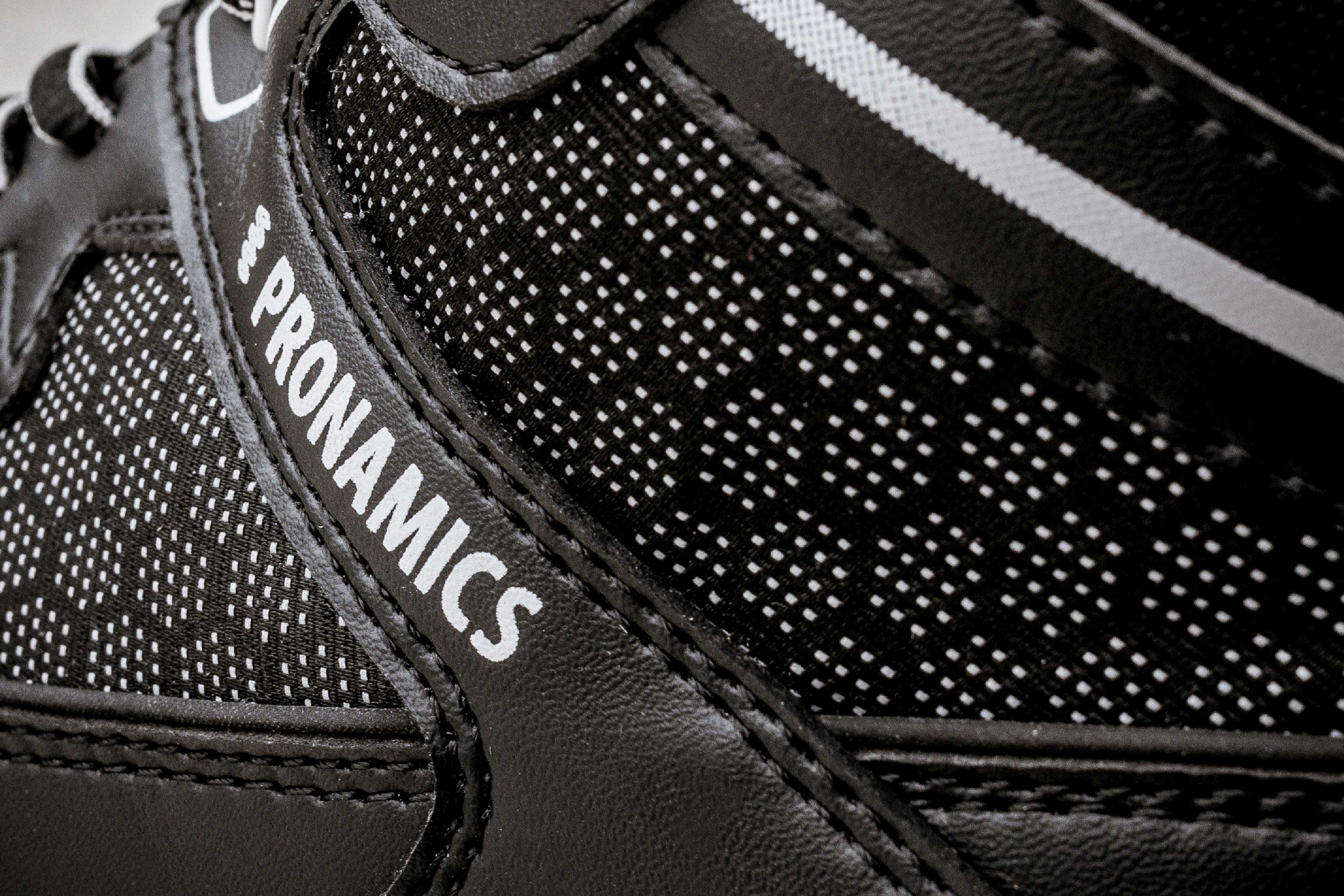
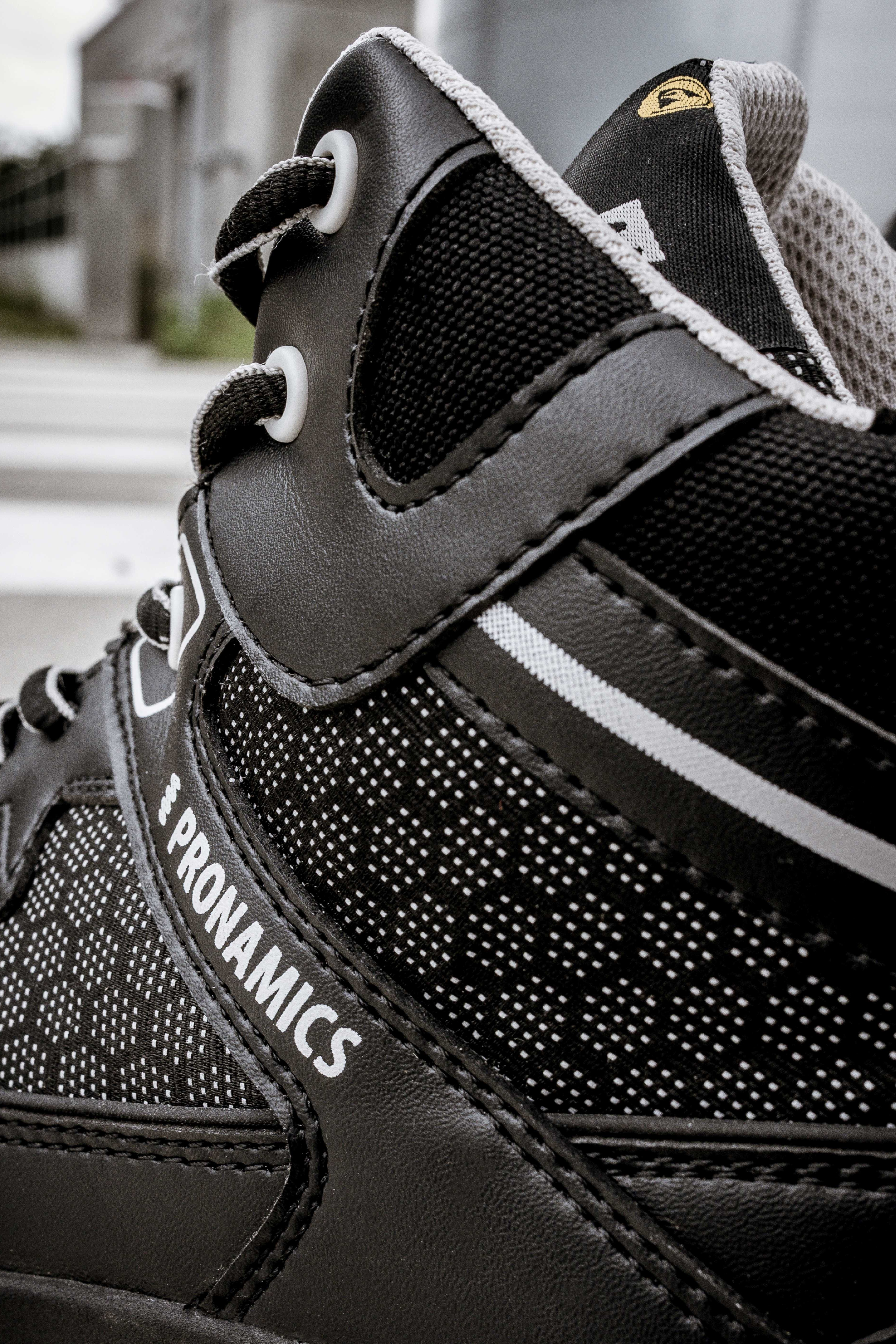
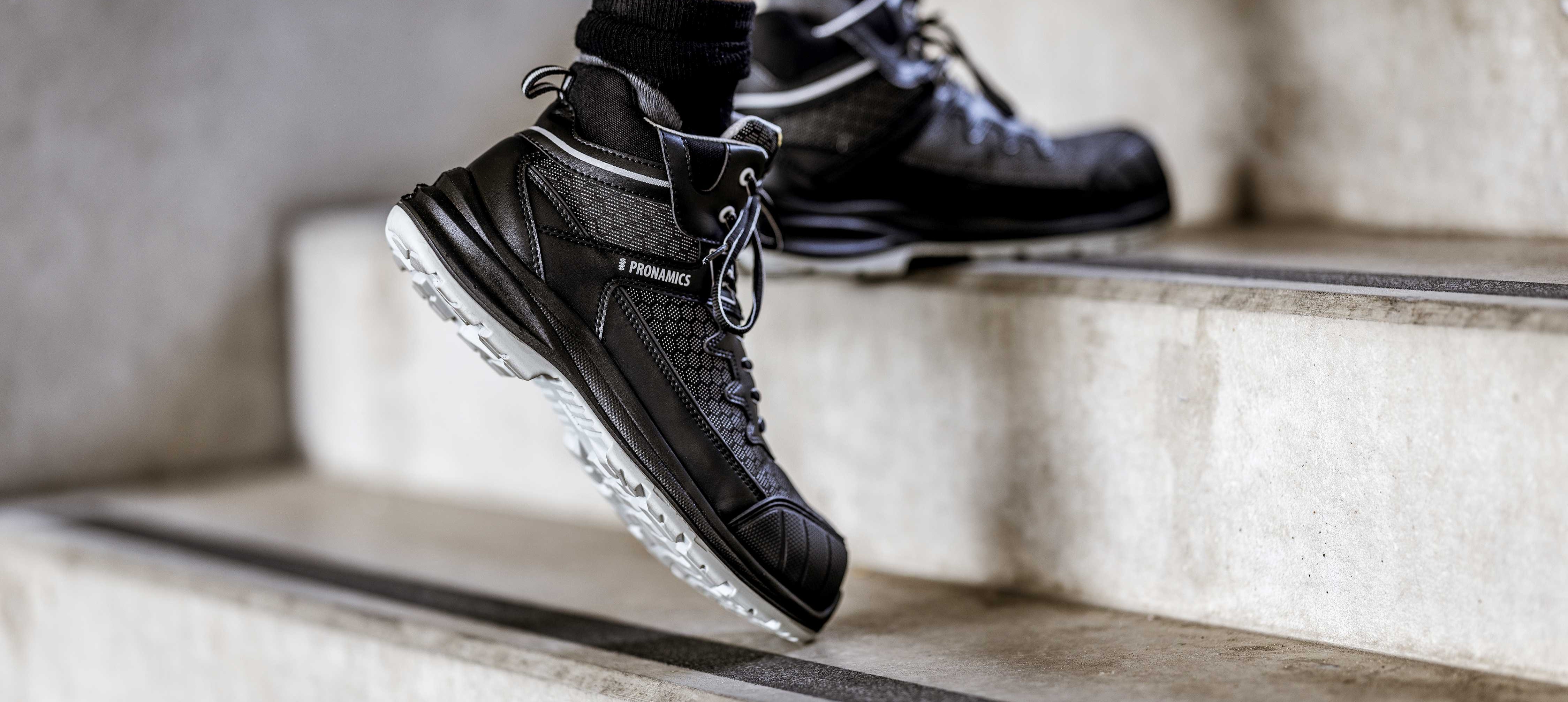
Prolonged standing, frequent walking and constant changes in position are part of everyday work in many environments. This places considerable strain on the feet over several hours. It is therefore all the more important to wear safety footwear that not only provides the necessary protection but also supports a high level of wearing comfort. The cushioning properties of the sole play a crucial role in this.With PRONAMICS technology, NITRAS combines two important properties: shock absorption and dynamic energy return. While cushioning helps absorb the impact forces generated when the foot strikes the ground, the rebound effect supports dynamic movement with every subsequent step.
The result is a cushioning system designed to enhance comfort and movement dynamics. But how does this combination work, and what benefits can it offer in everyday working life?
HOW DOES PRONAMICS TECHNOLOGY WORK?
PRONAMICS technology is based on the interaction between cushioning and energy return. Both properties serve different purposes but complement each other during walking.When the foot strikes the ground, forces act on the sole of the shoe. A cushioning material deforms under this load, absorbing some of the mechanical energy. This can help reduce the impact forces generated when the foot makes contact with the ground. As the load is subsequently released, the material rebounds. Some of the previously absorbed energy is released again and can support the natural rolling motion of the foot. This principle is known as energy return or dynamic rebound.
PRONAMICS combines both properties and therefore works in a similar way to a suspension system: the sole compresses under load and rebounds when the pressure is released.
Cushioning and energy return compared:
| Property | How it works | Benefits when walking |
| Shock absorption | Absorbs some of the mechanical energy when the foot strikes the ground. | Can reduce the impact forces generated when the foot makes contact with the ground. |
| Energy return | Releases some of the absorbed energy as the material rebounds. | Can support a dynamic rolling motion of the foot. |
The interaction between these two properties is key: effective cushioning does not automatically mean high energy return. While some of the absorbed energy is converted into heat, for example, another portion remains available for the rebound effect. PRONAMICS technology is designed to combine both functions, helping to support a comfortable and dynamic walking experience.
WHAT BENEFITS DOES PRONAMICS OFFER IN EVERYDAY WORKING LIFE?
When it comes to safety footwear, protective features are not the only consideration. The properties of the sole also influence how the footwear feels during longer walking distances or repetitive movements.+ Cushioning during repetitive impact: Every step generates forces that are transferred through the footwear to the foot. A cushioned sole can absorb some of these forces, contributing to a more comfortable walking experience. Suitable cushioning can be particularly beneficial when frequently walking on hard surfaces, such as concrete floors or paved pathways.
+ Dynamic rebound with every step: While conventional cushioning primarily focuses on absorbing impact energy, PRONAMICS also incorporates the partial return of that energy. Dynamic rebound can support the natural rolling motion of the foot and help the safety footwear feel less heavy or sluggish when walking.
+ Wearing comfort during extended periods of use: Wearing safety footwear for several hours places particular demands on comfort. PRONAMICS is designed to cushion the forces generated during walking while providing a dynamic walking experience. The technology can therefore contribute to wearing comfort, particularly during activities involving frequent walking.
What else matters besides cushioning?
Even an effective cushioning technology can only deliver its benefits as part of the overall footwear design. When selecting suitable safety footwear, other properties should therefore also be considered:
+ Fit: Safety footwear should provide sufficient room while ensuring a secure fit.
+ Protection requirements: Toe protection, penetration resistance and other properties must be appropriate for the relevant workplace hazards.
+ Slip resistance: The properties of the outsole should be suitable for the prevailing floor conditions.
+ Working conditions: The walking surface, range of movement and duration of wear all influence the requirements placed on the footwear.
It is also important to distinguish between comfort technologies and standardised protection requirements. EN ISO 20345 specifies requirements for safety footwear. PRONAMICS, on the other hand, is an additional technology designed to support cushioning and energy return. It does not represent a separate protection class.
GREATER COMFORT THROUGH THE COMBINATION OF TWO PROPERTIES
PRONAMICS technology demonstrates how different functions of a footwear sole can complement each other. By combining shock absorption with dynamic rebound, the energy generated during walking is not only absorbed but also partially returned.PRONAMICS is therefore designed to support a comfortable and dynamic walking experience, particularly during activities involving frequent walking and repetitive impact.
However, the actual comfort of safety footwear depends on more than cushioning alone. Fit, sole construction and individual requirements also play an important role. When selecting suitable safety footwear, it is therefore essential to consider the footwear as a whole.