Deutsch
 English
 Französisch
 Polnisch
FROM THE FIRST INSPECTION TO THE FINISHED PRODUCT
Before a NITRAS product reaches our customers, it has already passed through several stages. This is because numerous inspections, consultations and approvals take place between the selection of suitable materials and delivery.At NITRAS SAFETY, we rely on a structured process consisting of four coordinated stages. It begins before production, continues throughout manufacturing and does not end once the products have been placed in storage.
But what steps does a product actually go through as part of our quality management process? And what exactly is checked at each stage?
STEP 1: INITIAL SAMPLE AND APPROVAL INSPECTION – IT ALL STARTS BEFORE PRODUCTION
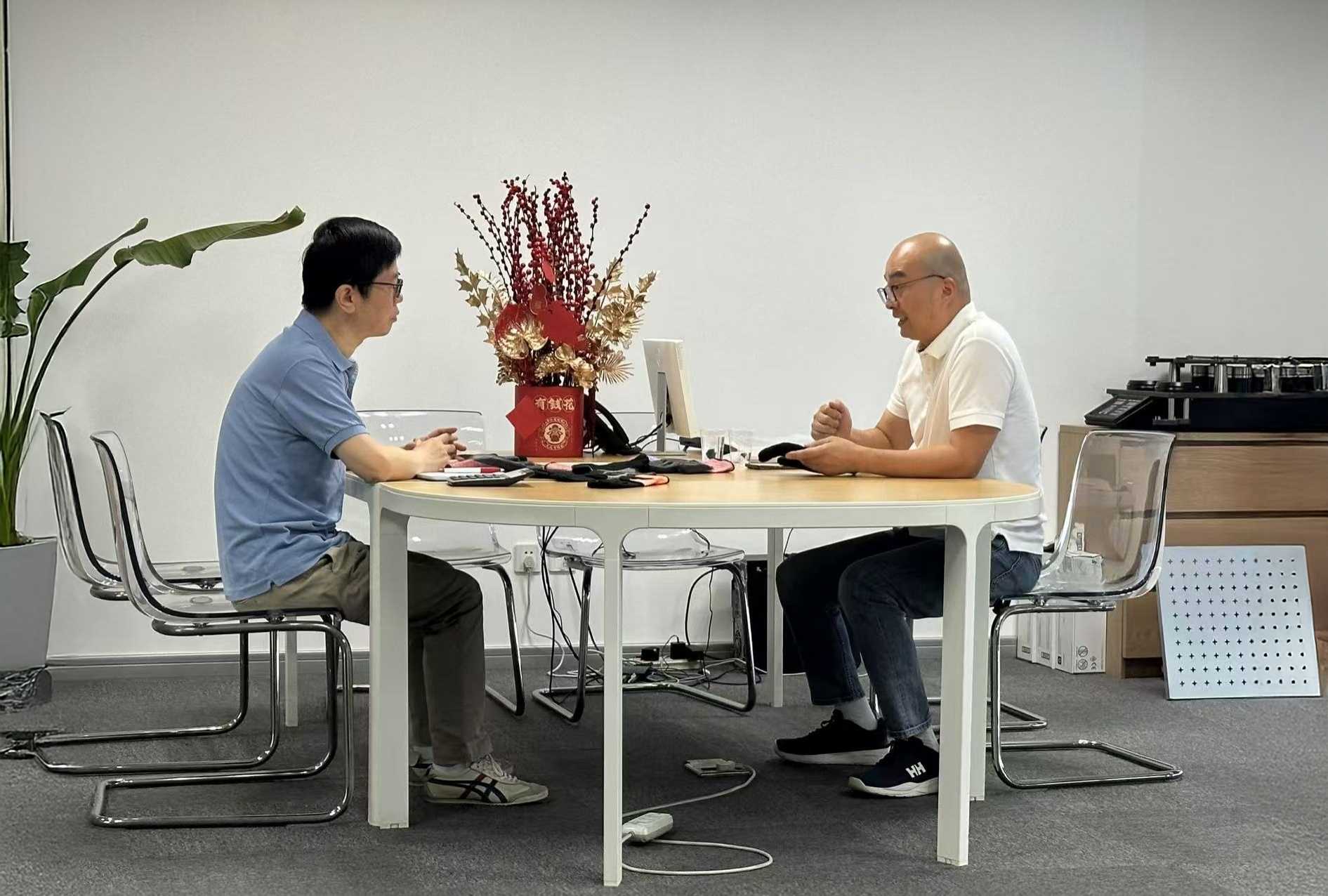
Our quality management process begins before series production actually starts. Important foundations for the quality of the finished product are established as early as the selection of raw materials, materials and production partners.Together with our team in Shanghai, we assess suitable materials and agree on the requirements with our production partners. Before placing initial orders or when making product changes, we request so-called pre-production samples. These samples are checked against the product specifications on file. This includes, for example, the materials used, dimensions, workmanship and labelling. The results are documented using detailed photographs, allowing us to identify any deviations at an early stage.
Further samples may also be taken during production. This is particularly useful for products with complex manufacturing processes, as it allows us to check that the agreed requirements are being met. If necessary, this stage is supplemented by tests for harmful substances and other laboratory analyses.
Our aim: To identify deviations as early as possible and implement any necessary adjustments before or during production.
STEP 2: PRE-SHIPMENT INSPECTION – CHECKED BEFORE THE GOODS LEAVE THE FACTORY
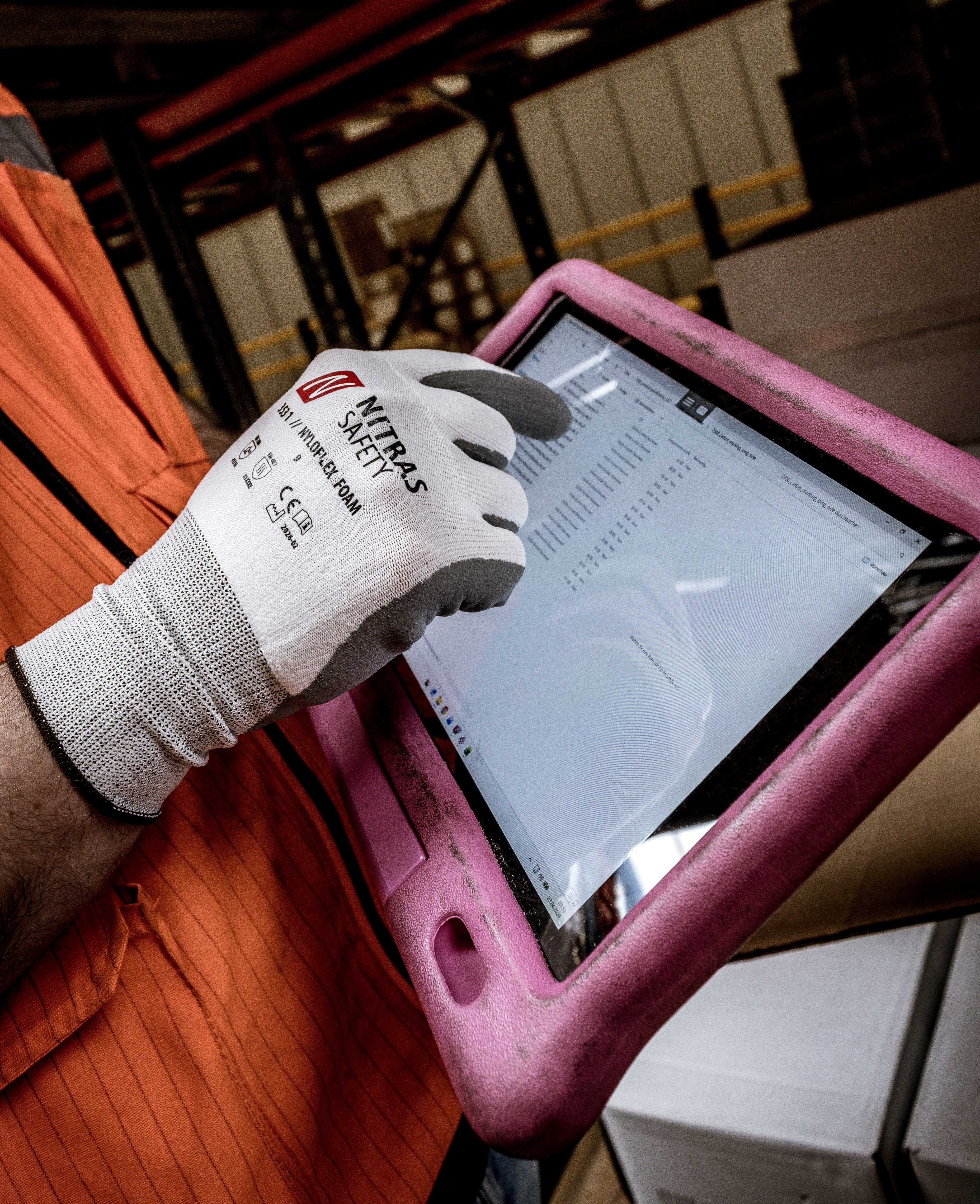
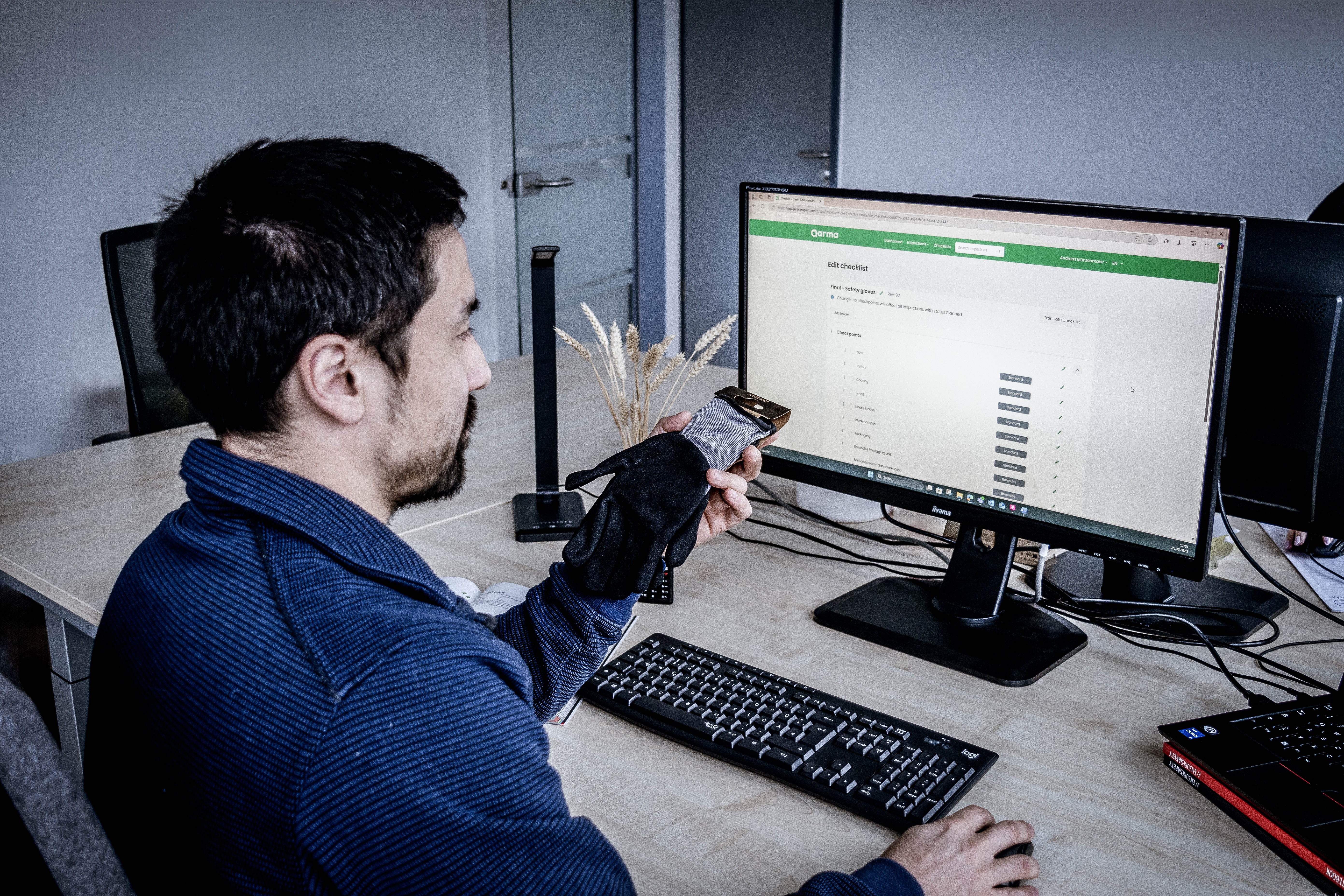
Once production has been completed, the next stage of inspection follows. Before the finished products are shipped, trained staff inspect the goods directly at the production facilities. The products are checked against defined inspection criteria, focusing on aspects such as workmanship, dimensions, functionality and labelling.Our digital quality assurance system plays a key role here. Results are recorded directly on site and documented using photographs, checklists and inspection reports. Our Purchasing, Product Management and Quality Assurance teams can access this information across locations.
We use a traffic light system to assess the inspection results:
+ Green: All inspection criteria have been met.
+ Amber: Consultation with Product Management or Quality Assurance is required. The inspection can continue.
+ Red: Consultation with Product Management and Quality Assurance is essential.
If any deviations are identified, the departments responsible can respond immediately and initiate the necessary corrective action.
Our aim: To inspect the finished products before transport and resolve any deviations at the production site.
STEP 3: INCOMING GOODS INSPECTION – THE NEXT CHECK IN BEDBURG
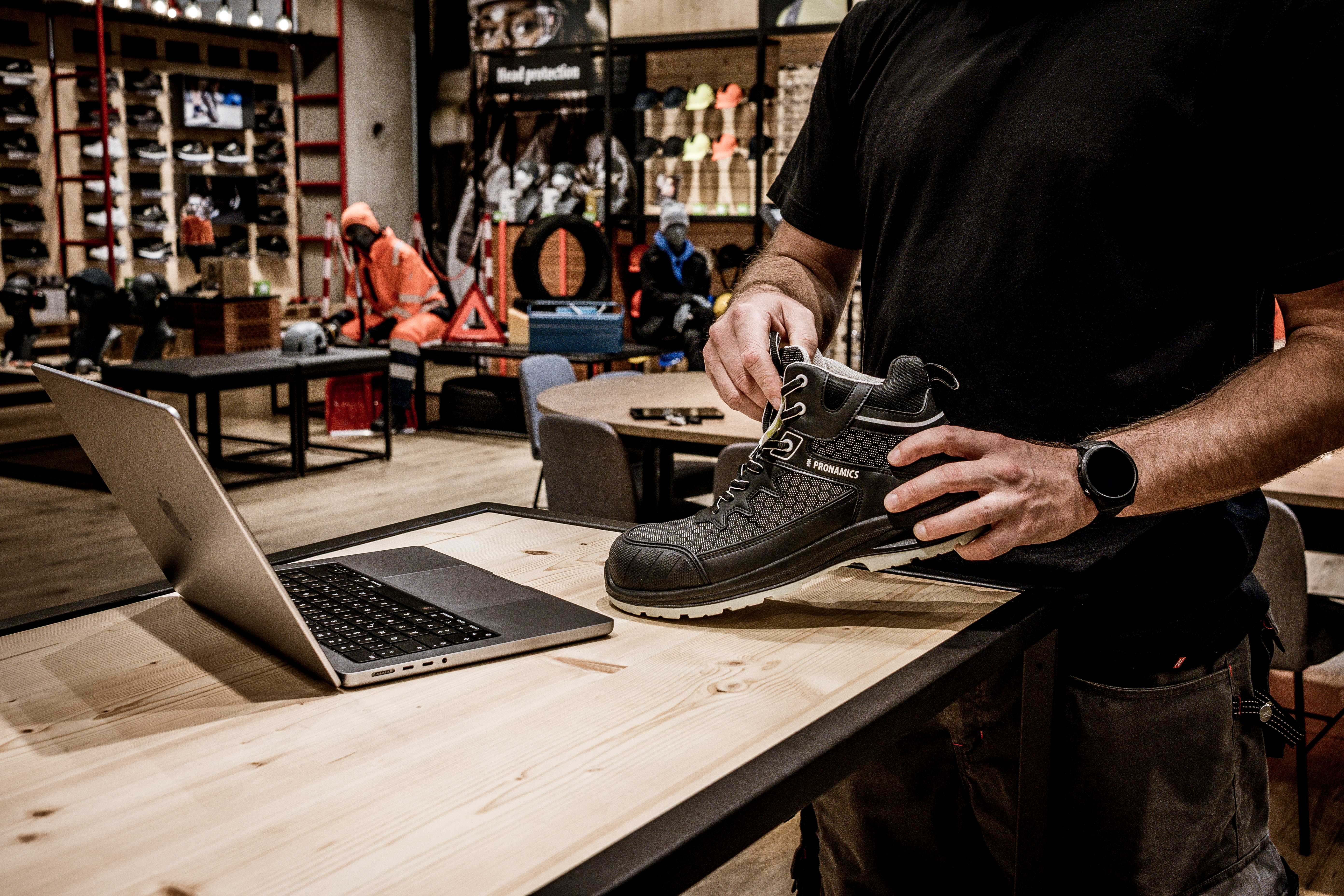
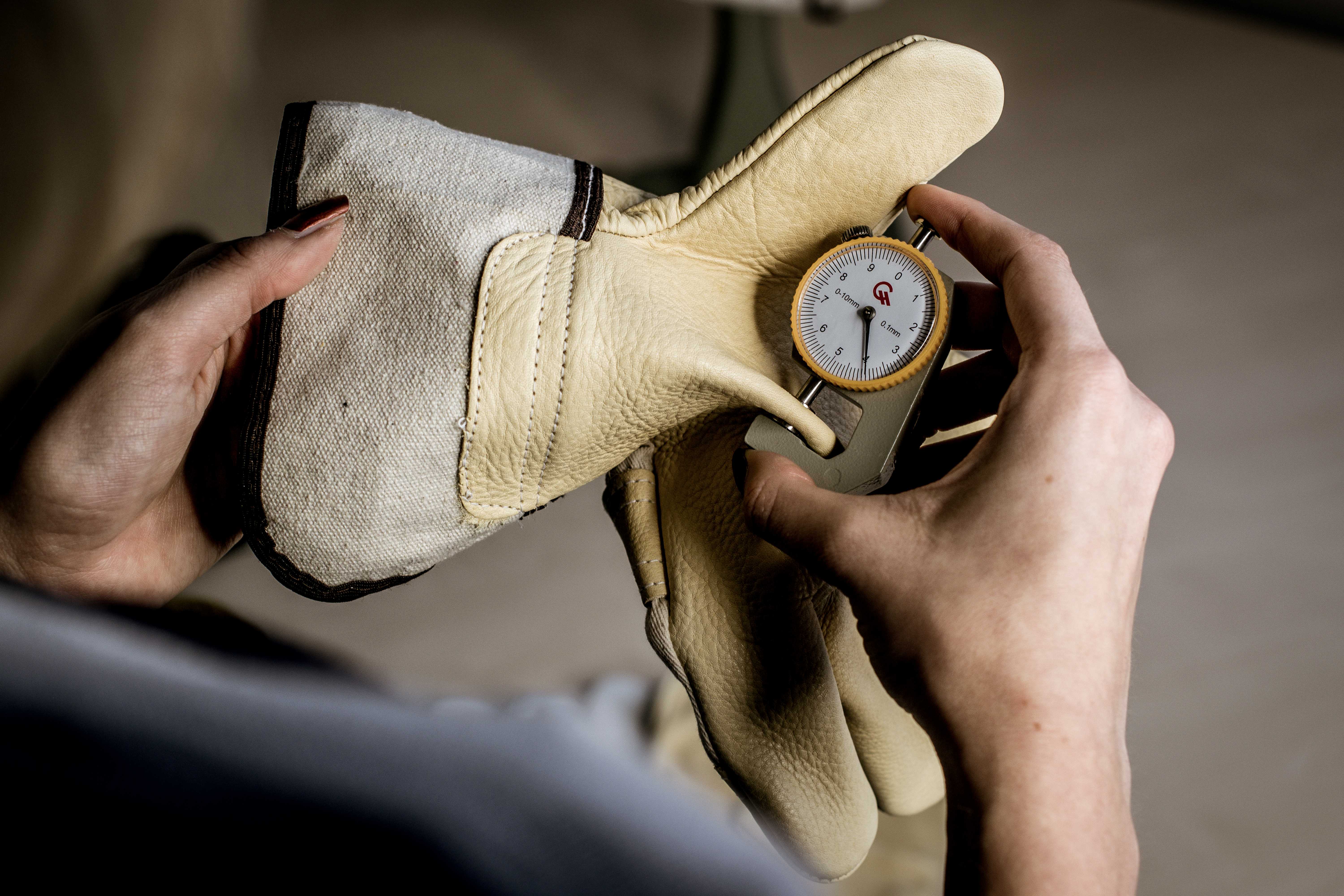
After transport, the products arrive at our warehouse in Bedburg. However, another inspection takes place before they are officially added to our stock.Our Product Management team uses selected samples to check whether the delivered goods meet the agreed specifications. The product specification provides the basis for this inspection. It contains important information about materials, dimensions, weight, colour and packaging. Using a range of measuring instruments, our staff check material thickness, dimensions and workmanship, for example. Labelling and packaging are also inspected. Among other things, we check that all required information is present and that the relevant requirements for the European market are met.
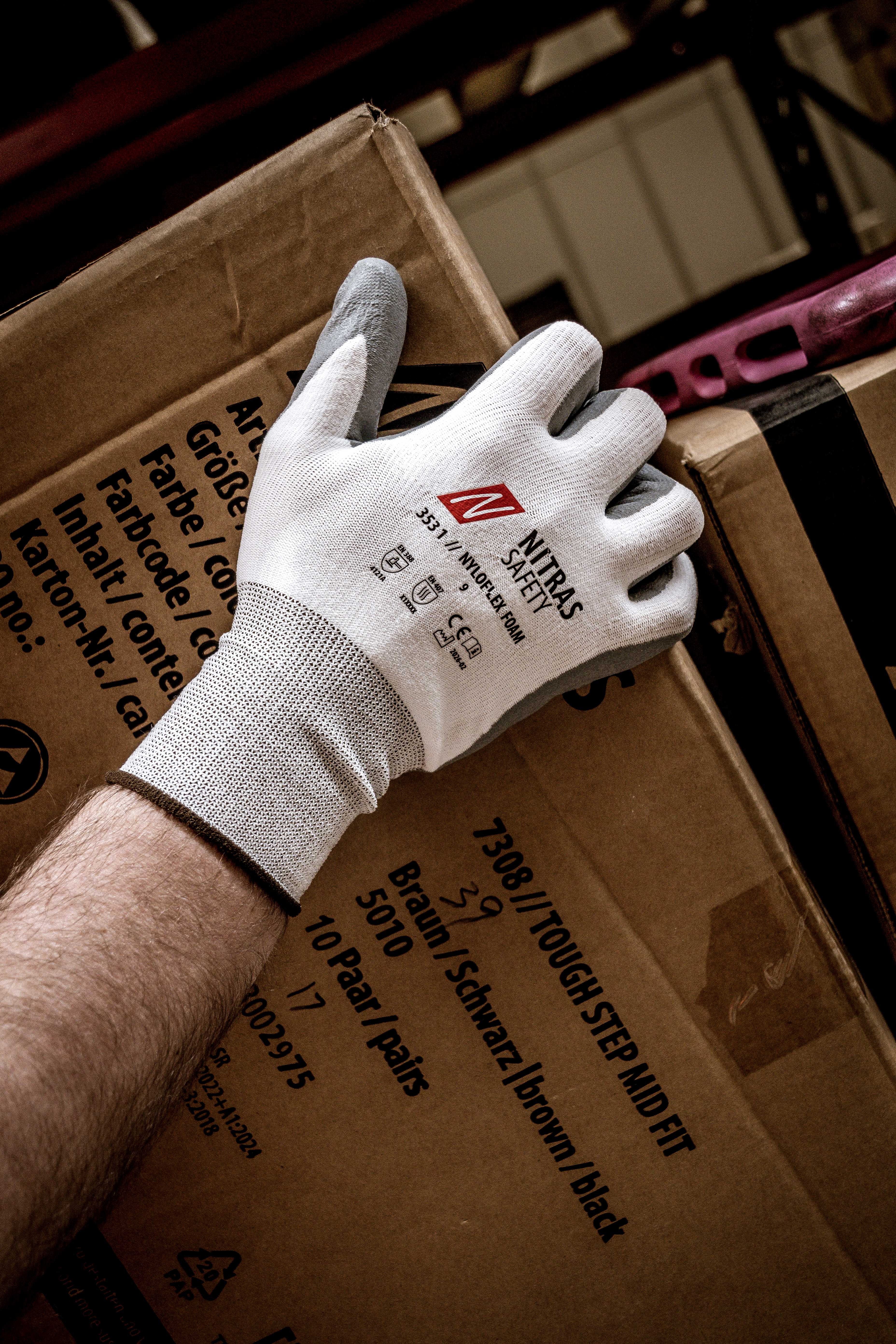
All results are documented in standardised inspection reports. If any deviations are identified, the matter is discussed with the relevant departments. The goods are only placed into storage and made available for further distribution once they have been successfully inspected and approved.
Our aim: To verify that the goods delivered actually meet the specified requirements before they enter the sales process.
STEP 4: SAMPLE INSPECTIONS AND AFTER-SALES – CHECKING QUALITY EVEN AFTER STORAGE
Approval during incoming goods inspection does not mark the end of our quality management process. Products in storage are also regularly subject to further sample inspections.This is where our AS Quality Center comes in. In our own testing laboratory, we can examine specific material and product properties and document the results under standardised conditions. Different testing methods are available depending on the product and the requirements. These include, for example, mechanical testing of protective gloves in accordance with EN 388, chemical permeation tests, ESD tests and tests for paint-wetting impairment substances (LABS).
The results are recorded and evaluated in standardised test reports. This provides us with insights that can feed into quality assurance, our collaboration with production partners and the ongoing development of our products.
Our aim: To check product properties even after storage and use the findings to drive continuous improvement.
FOUR INTERCONNECTED STAGES
From the initial selection of materials to follow-up testing in the laboratory, our quality management process brings together four different inspection stages to create a continuous system.Each stage has its own purpose. The initial sample inspection identifies potential deviations before production begins, while the finished products are checked before shipment. The incoming goods inspection then checks the delivered goods, with regular follow-up inspections completing the process.
The collaboration between our teams in Shanghai and Bedburg is key. Clear inspection criteria, documented results and coordinated approval processes enable us to address quality deviations effectively and continuously improve our procedures.